Video editing has always leaned on a mix of technical skill, patience, and a working knowledge of specialized software. A lot of an editor’s time goes into things that aren’t especially glamorous — combing through footage, picking out the clips worth keeping, arranging scenes, adding captions, balancing audio levels, smoothing out transitions. Artificial intelligence is starting to change that picture by letting creators express what they want in plain language, and letting automated workflows handle part of the execution.
That doesn’t mean traditional editing skills are becoming obsolete. What’s really happening is that AI is opening up another way into video production — particularly useful in the planning stage and for putting together that first rough draft.
From Manual Timelines to Talking It Through
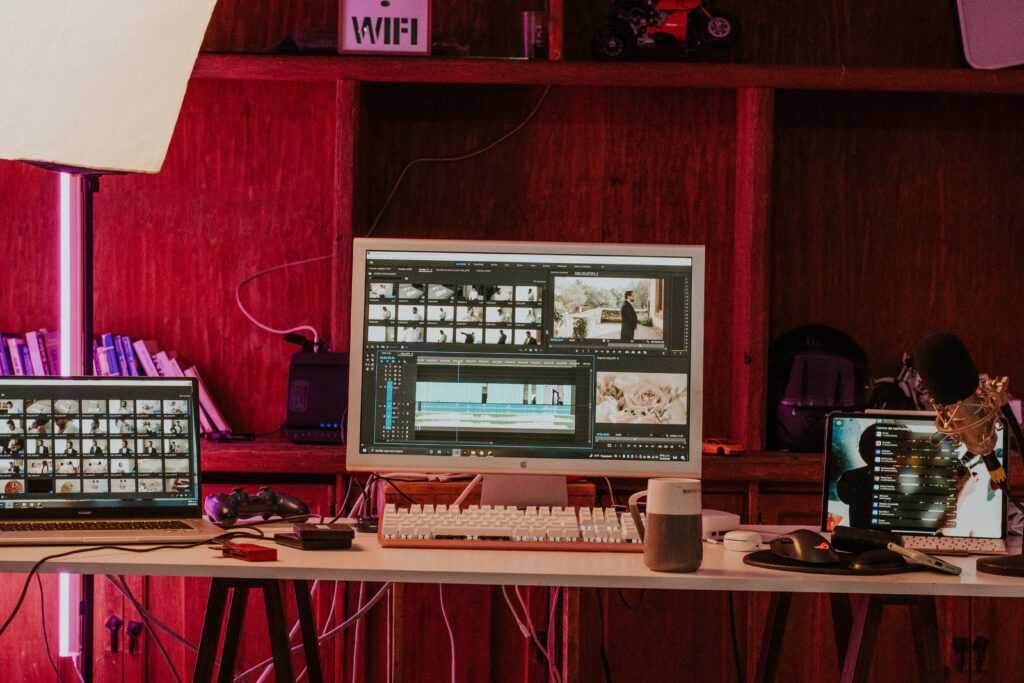
Traditional editing lives and dies by timelines, menus, and countless individual adjustments. An editor might spend ten minutes finding the right section of footage, cutting it, dragging it into place — then repeating that same process dozens of times across a project.
AI-assisted workflows can take a real bite out of that repetition. Instead of explaining every single move through interface commands, a user can just describe the outcome they want. Something like: pull the strongest moments out of these clips, cut the dead air, keep the whole thing short and energetic.
That shift makes editing feel a lot more like a conversation than a technical exercise. It also opens the door for people without much editing experience to start experimenting with the craft, without needing to learn every function of a professional application first.
What a ChatGPT Video Editor Workflow Actually Does
The phrase ChatGPT video editor generally refers to a setup where conversational AI helps someone plan, organize, or carry out editing tasks inside a connected editing environment.
One place this shows up clearly is rough-cut creation. A creator might hand over several pieces of footage and describe the shape they’re going for — an intro, a handful of key highlights, a short wrap-up. From there, the AI can help pull that material into an initial sequence the creator can then look over and adjust.
That distinction matters a lot. AI-generated editing help is most useful as a starting point, not as the final word. Human review still counts for something here, because an algorithm doesn’t necessarily grasp context, humor, emotional timing, brand voice, or why a particular visual moment actually matters.
Where AI Genuinely Saves Time: The Repetitive Stuff
Not everything in editing is creative — a lot of it is just repetitive. Preparing captions, basic scene organization, hunting through footage for useful sections, reformatting content for different platforms — all of it eats time without necessarily requiring much judgment call.
This is where AI tools have found a natural fit. Speech recognition can pull captions straight out of dialogue. Automated analysis can flag potentially useful sections in a long recording. Some systems can even help reshape content for different aspect ratios or platforms without starting from scratch each time.
How useful any of this is really comes down to accuracy. Captions can misspell names or mishear words. Automated scene selection can miss what actually made a moment important in the first place. So editors still need to go back and check the output rather than trusting every AI suggestion at face value.
Better Prompts Lead to Better Edits
Editing through natural language brings its own skill along with it — learning to write instructions that are actually precise.
“Make this video better” doesn’t give an AI system much to work with. A more useful instruction lays out the intended audience, how long the final piece should run, the pacing, which clips matter most, what the captions need to look like, and what format it all needs to end up in.
Someone editing an educational video, for instance, might specify that the intro stays brief, explanations stay easy to follow, dead pauses get trimmed, and key terms show up as readable text on screen. The more context an instruction like that carries, the better the AI has to work with — and the easier it is for the creator to tell afterward whether the result actually hit the mark.
Why Human Creativity Still Carries the Weight
For all the progress in AI video tools, creative judgment hasn’t gone anywhere. An AI system is good at recognizing patterns and following instructions, but storytelling often comes down to context and small, subtle decisions that aren’t easy to spell out as rules.
An experienced editor might leave a pause in deliberately, because it lands emotionally. A shot that looks unnecessary on its face might actually be carrying important context. A slightly odd cut can be exactly what makes a joke work.
That kind of judgment doesn’t reduce neatly to instructions. It’s part of why AI-assisted editing is better thought of as a collaboration than a replacement — the AI handles the mechanics, the person still owns the storytelling.
Privacy and Copyright Still Need Attention
AI video workflows bring their own set of practical questions about data and intellectual property. Before uploading any footage, it’s worth understanding how a given service actually handles those files — whether anything gets stored, and whether it’s processed by third-party systems along the way.
Copyright hasn’t gone away either. Having an AI help organize or edit footage doesn’t hand anyone automatic permission to use copyrighted music, film clips, photos, or other protected material. That responsibility still sits with the creator, who needs to confirm the source material can legally be used the way they’re planning to use it.
This matters even more for commercial work, anything public-facing, or footage that touches on private or sensitive information.
Where This Is All Headed
AI is likely to keep working its way deeper into everyday editing workflows. The direction is already pretty clear — conversational instructions, automated rough cuts, smarter captions, and help with the repetitive parts of production. There’s also growing movement toward bringing natural-language controls into professional editing environments, not just consumer-facing tools.
The most realistic future probably isn’t fully automated video production. It’s more likely creators will lean on AI to handle the time-consuming prep work while keeping control over storytelling, visual style, accuracy, and final sign-off for themselves.
As these tools mature, the core skill may shift — away from knowing exactly where every function lives in a menu, and toward knowing how to communicate a creative goal clearly. The best results will probably keep coming from a mix of automation and human judgment, not from leaning entirely on either one alone.
 Drevian Quenvale writes the kind of ai algorithms and machine learning content that people actually send to each other. Not because it's flashy or controversial, but because it's the sort of thing where you read it and immediately think of three people who need to see it. Drevian has a talent for identifying the questions that a lot of people have but haven't quite figured out how to articulate yet — and then answering them properly.
They covers a lot of ground: AI Algorithms and Machine Learning, Tech Innovation Alerts, Expert Tutorials, and plenty of adjacent territory that doesn't always get treated with the same seriousness. The consistency across all of it is a certain kind of respect for the reader. Drevian doesn't assume people are stupid, and they doesn't assume they know everything either. They writes for someone who is genuinely trying to figure something out — because that's usually who's actually reading. That assumption shapes everything from how they structures an explanation to how much background they includes before getting to the point.
Beyond the practical stuff, there's something in Drevian's writing that reflects a real investment in the subject — not performed enthusiasm, but the kind of sustained interest that produces insight over time. They has been paying attention to ai algorithms and machine learning long enough that they notices things a more casual observer would miss. That depth shows up in the work in ways that are hard to fake.
Drevian Quenvale writes the kind of ai algorithms and machine learning content that people actually send to each other. Not because it's flashy or controversial, but because it's the sort of thing where you read it and immediately think of three people who need to see it. Drevian has a talent for identifying the questions that a lot of people have but haven't quite figured out how to articulate yet — and then answering them properly.
They covers a lot of ground: AI Algorithms and Machine Learning, Tech Innovation Alerts, Expert Tutorials, and plenty of adjacent territory that doesn't always get treated with the same seriousness. The consistency across all of it is a certain kind of respect for the reader. Drevian doesn't assume people are stupid, and they doesn't assume they know everything either. They writes for someone who is genuinely trying to figure something out — because that's usually who's actually reading. That assumption shapes everything from how they structures an explanation to how much background they includes before getting to the point.
Beyond the practical stuff, there's something in Drevian's writing that reflects a real investment in the subject — not performed enthusiasm, but the kind of sustained interest that produces insight over time. They has been paying attention to ai algorithms and machine learning long enough that they notices things a more casual observer would miss. That depth shows up in the work in ways that are hard to fake.