

You’re standing in the supplement aisle. Staring at thirty bottles. All screaming “best,” “pure,” “clinically proven.”
None of them tell you what actually matters.
I’ve been there.
And I’ve watched too many people waste money. Or worse, hurt themselves (on) stuff that does nothing.
This isn’t another hype list. No product links. No affiliate junk.
Just science-backed facts and real safety checks.
We don’t push Doayods or anything else. We ask: Does it work? Is it safe?
Do you actually need it?
I’ve reviewed hundreds of studies. Talked to pharmacists. Checked FDA warnings and third-party lab reports.
You’ll walk away knowing whether supplements make sense for your body (not) someone’s marketing team.
And if they do? You’ll know how to pick one that won’t let you down.
What Are Supplements, Really? (Spoiler: They’re Not Magic)
Supplements are food additives. Not medicine. Not meal replacements.
Just extras.
I take vitamin D in winter. My neighbor takes eight pills before breakfast and calls it “biohacking.” One of us is probably overdoing it.
Supplements fill gaps. That’s it.
They don’t fix bad habits. You can’t out-supplement a diet of gas station burritos and existential dread.
“Natural” doesn’t mean safe. Belladonna is natural. So is arsenic.
(Yes, really.)
The FDA doesn’t test supplements before they hit shelves. Not like drugs. A company just says “this is safe” and puts it on Amazon.
No proof required.
That’s why you’ll see the same ingredient in three different brands. One works, one does nothing, one gives you heartburn. No one checked.
Think of your diet as the lead singer. Supplements? Backup singers.
Nice to have. But if the lead singer’s off-key, no amount of harmonizing fixes it.
Are you supplementing a real deficiency? Or chasing energy, focus, or muscle gain?
Blood tests tell you what’s missing. Guessing wastes money and sometimes causes harm.
I tried a “focus blend” once. Gave me jitters and regret. Turns out my brain just needed sleep (not) a $40 bottle of powdered optimism.
Doayods markets itself as a targeted wellness line. I looked at their labeling. At least they list every dose clearly.
Most don’t.
Most supplements aren’t dangerous. But most also aren’t necessary.
Ask yourself: Did my doctor recommend this? Or did an Instagram ad?
If you’re low on iron, take iron. If you’re not, stop taking it.
Your body isn’t a glitch to be patched. It’s a system that mostly works. If you feed it well.
Skip the hype. Start with food. Then ask questions.
Supplements: What’s Real, What’s Noise
I’ve taken them all.
And I’ve thrown half of them out.
Vitamins & Minerals fill gaps. But only if a doctor confirms one exists. Vitamin D?
Fine if your blood test says you’re low. Iron? Great (unless) you’re male and not bleeding, in which case it’s dangerous.
Don’t guess. Get tested first. (Most people skip this and just pop pills like candy.)
Herbal supplements? Turmeric for joint ease. Echinacea for colds.
But “traditional use” ≠ proven effect. Look for human trials. Not just rat studies or folklore.
If the label says “supports immunity” and cites zero peer-reviewed papers, walk away.
Probiotics and Omega-3s fall under Specialty Supplements. They’re targeted. Not magic.
A good probiotic strain might help after antibiotics. But won’t fix your diet. Omega-3s can lower triglycerides (but) only at clinical doses (not the tiny amount in your gummy).
Most store brands don’t hit those levels.
I wrote more about this in Update Doayods Pc.
Solid data. But no, it won’t make you jacked without effort. And “plant-based protein powder” isn’t automatically better.
Protein and amino acids? Whey builds muscle (if) you lift. Creatine works.
Check the added sugar.
Doayods? Never heard of them. Skip anything with a name that sounds like a rejected Pokémon.
Here’s my rule: If it doesn’t have a clear mechanism, dose, and human evidence. Don’t pay for it. Your body isn’t a slot machine.
You don’t win by inserting more pills.
Most supplements do nothing. Some interact with meds. A few are flat-out unsafe.
Ask yourself: Did a real doctor recommend this. Or did an Instagram ad?
Test first. Start low. Track how you feel.
Then decide.
Not before.
A 3-Step Supplement Checklist That Actually Works
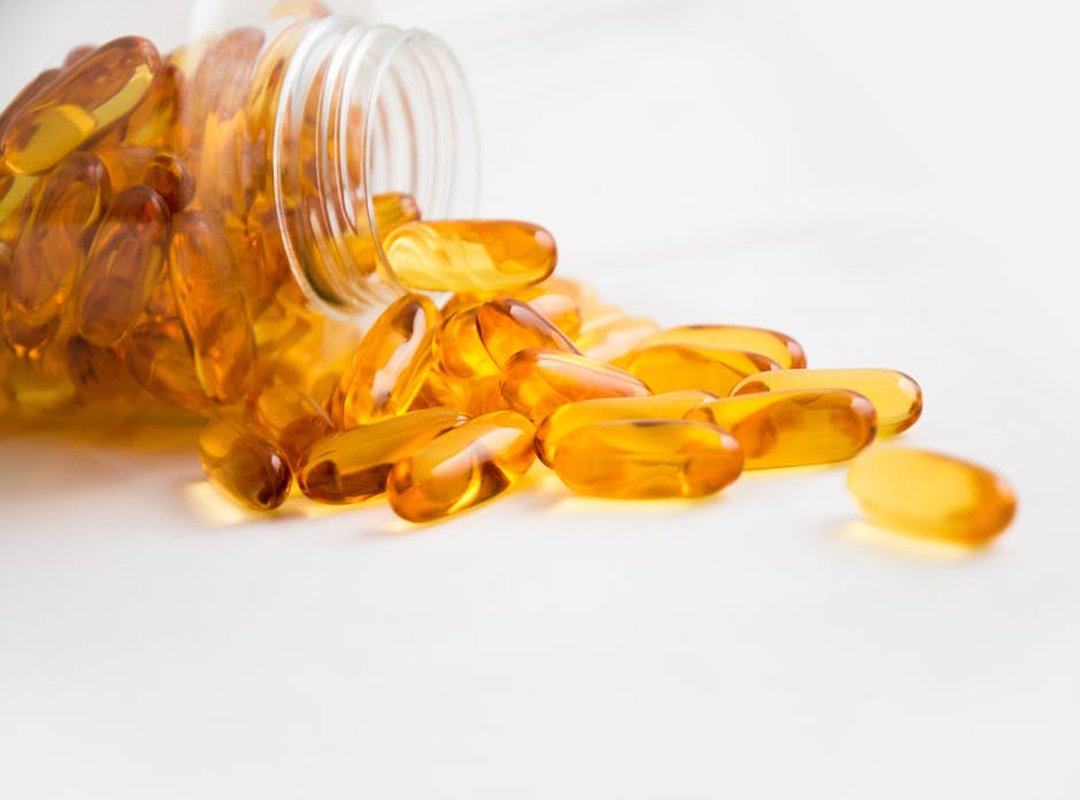
I skip the fluff. You should too.
Before you click “Add to Cart” on any supplement. Stop.
Talk to a doctor or registered dietitian first. Not your cousin who read a blog post. Not the guy at the health food store who’s been on keto since 2016.
A real professional who knows your meds, your labs, your history.
They’ll tell you if you actually need it. Or if you’re just chasing a headline.
(And yes. Even vitamin D needs context. Your level isn’t the same as your neighbor’s.)
Third-party testing isn’t optional. It’s the only thing standing between you and filler-heavy junk.
Look for NSF, USP, or ConsumerLab seals. These mean someone independent tested the bottle. Not just the manufacturer’s lab (which has zero incentive to fail itself).
No seal? Walk away. Fast.
I’ve seen bottles labeled “500mg of curcumin” that contained 12mg. The rest? Rice flour and silica.
Cute.
Now flip it over. Read the back label.
Ignore the bold claims on the front. “Boosts energy!” “Supports immunity!” “Scientifically advanced!”. All noise.
Go straight to the Supplement Facts panel.
Check the active ingredient dose. Is it clinically relevant? Or just enough to sound impressive?
Then scan “Other Ingredients.” If you see magnesium stearate, titanium dioxide, or “natural flavors” (ask) why it’s really there.
You don’t need ten additives to deliver one nutrient.
Update Doayods Pc if you’re using older versions (outdated) files can misreport dosages or hide inactive fillers in the database.
Don’t assume “natural” means safe. Don’t assume “popular” means proven.
Your body doesn’t care about marketing.
It cares about what’s in the capsule.
Not what’s on the box.
Food First: Or Just a Fancy Band-Aid?
I ask my clients this every time: Can you get it from food? Not should you. Can you?
Vitamin C? Eat an orange. Omega-3s?
Eat salmon. Magnesium? Try spinach or pumpkin seeds.
Supplements aren’t snacks. They’re targeted fixes (for) real gaps, not lazy habits.
You don’t fix a diet full of takeout by swallowing a multivitamin. That’s like duct-taping a leaky pipe and calling it plumbing.
Doayods won’t fix what your fork should handle.
If your bloodwork shows low iron, sure. Supplement. If you just hate lentils?
Cook them better. Or eat steak.
I’ve seen people pop pills for months while ignoring the meal they skipped.
That’s not health. That’s ritual.
Eat first.
Supplement only when you know why.
Make Your Next Health Decision with Confidence
I’ve seen too many people waste money on bottles they don’t need.
Or worse. Take something that backfires.
The supplement market is wild. No real rules. No safety net.
You’re left guessing. Hoping. Crossing your fingers.
Not anymore.
You now have the Doayods 3-step checklist. It’s not theory. It’s what I use (and) what I tell my friends to use.
Food First isn’t trendy. It’s basic sense. If your body can get it from food.
You probably should.
That checklist stops you from buying junk. It helps you spot red flags fast. It turns confusion into clarity.
So grab one supplement you’re taking. Or thinking about. Run it through the three steps.
Right now.
You’ll know in under two minutes whether it’s worth keeping.
Or tossing.
Your health isn’t a gamble.
Start treating it like it isn’t.
 Jerold Daileytodds is the kind of writer who genuinely cannot publish something without checking it twice. Maybe three times. They came to ai algorithms and machine learning through years of hands-on work rather than theory, which means the things they writes about — AI Algorithms and Machine Learning, Tech Toolkit Solutions, Scribus Network Protocols, among other areas — are things they has actually tested, questioned, and revised opinions on more than once.
That shows in the work. Jerold's pieces tend to go a level deeper than most. Not in a way that becomes unreadable, but in a way that makes you realize you'd been missing something important. They has a habit of finding the detail that everybody else glosses over and making it the center of the story — which sounds simple, but takes a rare combination of curiosity and patience to pull off consistently. The writing never feels rushed. It feels like someone who sat with the subject long enough to actually understand it.
Outside of specific topics, what Jerold cares about most is whether the reader walks away with something useful. Not impressed. Not entertained. Useful. That's a harder bar to clear than it sounds, and they clears it more often than not — which is why readers tend to remember Jerold's articles long after they've forgotten the headline.
Jerold Daileytodds is the kind of writer who genuinely cannot publish something without checking it twice. Maybe three times. They came to ai algorithms and machine learning through years of hands-on work rather than theory, which means the things they writes about — AI Algorithms and Machine Learning, Tech Toolkit Solutions, Scribus Network Protocols, among other areas — are things they has actually tested, questioned, and revised opinions on more than once.
That shows in the work. Jerold's pieces tend to go a level deeper than most. Not in a way that becomes unreadable, but in a way that makes you realize you'd been missing something important. They has a habit of finding the detail that everybody else glosses over and making it the center of the story — which sounds simple, but takes a rare combination of curiosity and patience to pull off consistently. The writing never feels rushed. It feels like someone who sat with the subject long enough to actually understand it.
Outside of specific topics, what Jerold cares about most is whether the reader walks away with something useful. Not impressed. Not entertained. Useful. That's a harder bar to clear than it sounds, and they clears it more often than not — which is why readers tend to remember Jerold's articles long after they've forgotten the headline.